Obsidian Crystal Benefits for Grounding and Protection: A Beginner's Guide
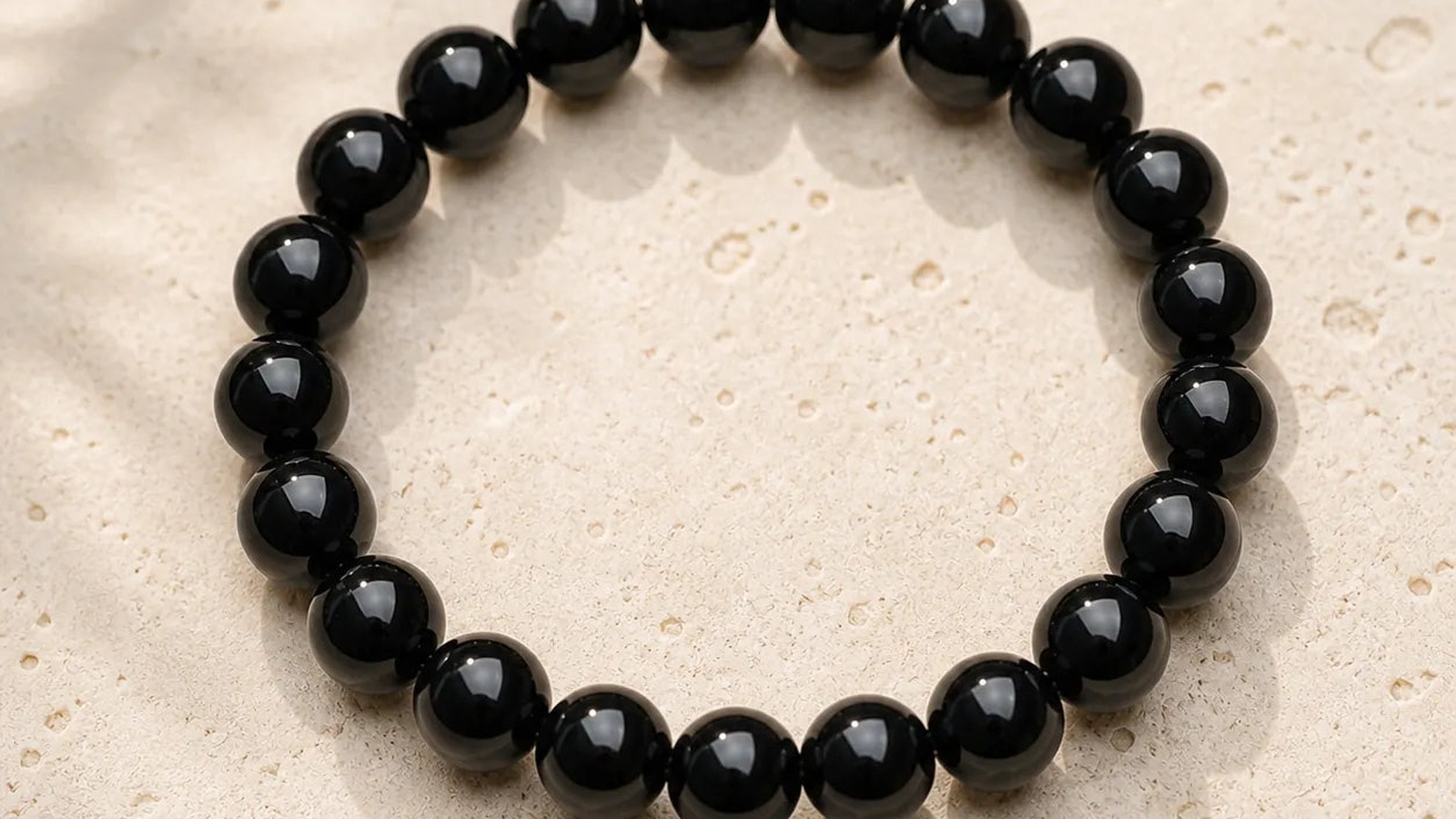
Table of Contents
- Introduction to Obsidian Stone
- What is Obsidian Stone?
- Formation and Composition
- Types of Obsidian
- Key Benefits of Obsidian Stone
- Emotional Healing and Protection
- Grounding and Everyday Stability
- Physical Health Benefits
- Spiritual and Metaphysical Properties
- Choosing the Right Obsidian for Your Intention
- How to Use Obsidian Stone
- Jewelry and Accessories
- Home Decor and Feng Shui
- Meditation and Rituals
- How to Cleanse and Care for Obsidian Stone
- Where to Buy Authentic Obsidian Stone
- Frequently Asked Questions
- Conclusion
Introduction to Obsidian Stone
There is a quiet power in holding something born of fire and cooled by time. Obsidian stone, with its glassy surface and ancient origins, has long been revered by cultures across the globe. It is a stone that does not shout for attention; instead, it invites you to look deeper, to feel its grounding presence. In a world that often feels rushed and disconnected, obsidian offers a moment of stillness, a chance to return to yourself.
This article explores obsidian stone benefits, how the stone actually forms, and how you might welcome its steady energy into your life. Whether you are drawn to its sleek beauty or its reputation as a protective stone, understanding what obsidian is—and what it may offer—can be a gentle, honest starting point.
What is Obsidian Stone?
Formation and Composition
Obsidian is not a crystal in the traditional mineral sense. It is a natural volcanic glass, formed when molten lava cools so rapidly that its atoms are unable to arrange themselves into an ordered crystalline structure. This rapid cooling gives obsidian its smooth, glassy texture and its characteristic dark color. According to the U.S. Geological Survey, obsidian is dense volcanic glass, usually rhyolite in composition and typically black; it is rich in iron and magnesium, and tiny crystals of iron oxide within the glass are what create its deep color.
Its composition is primarily silicon dioxide, similar to other silica-rich volcanic rocks, but its formation gives it a distinct look and feel. Because it never crystallized, obsidian is technically a mineraloid rather than a mineral species—and despite a common mix-up in older crystal books, it is not an amphibole. Geologists also describe its conchoidal fracture, the smooth, shell-like curve created when a piece breaks—the same property that made polished obsidian one of the earliest materials used for manufactured mirrors. The USGS specimen collection shows that smooth, almost liquid-looking surface up close. When you hold obsidian, you hold a piece of the Earth's primal power—a silent witness to fiery creation.
Types of Obsidian
The obsidian family is surprisingly diverse. While black obsidian is the most well known, several varieties offer their own nuances. Snowflake obsidian is marked with white, snowflake-like patterns of cristobalite, a mineral that forms during cooling; it is often associated with balance and purification. Mahogany obsidian features reddish-brown bands and is linked to root chakra grounding. Rainbow obsidian shimmers with iridescent color when light catches it just right, evoking joy and emotional depth. Apache tears, a small, rounded form of obsidian, are said to carry especially gentle energy for grief and healing. Each type carries its own character, but all share the core qualities people associate with obsidian: protection, grounding, and emotional support.
Key Benefits of Obsidian Stone
When people discuss the benefits of obsidian, they are usually describing three overlapping themes: protection, grounding, and honest self-reflection. These are traditional and energetic associations rather than clinical outcomes—obsidian is a companion for intention, not a treatment. With that framing in mind, here is what the stone is most often valued for.
Emotional Healing and Protection
One of the most celebrated obsidian stone benefits is its role in emotional healing and protection. Many people turn to obsidian as a shield against negativity—whether from outside sources or their own inner critic. It is traditionally thought to absorb and transmute heavy energy, helping you stay centered in times of stress or conflict. This may support emotional clarity by encouraging you to face uncomfortable truths without judgment.
Obsidian is often associated with the root chakra, which governs feelings of safety and stability. Working with this stone may make it easier to notice and release old patterns of fear or insecurity. It does not promise to erase pain, but it offers a grounding presence that can help you move through emotions with more grace. For those who feel burdened by other people's energy, carrying a piece of obsidian can serve as a gentle yet firm energetic boundary.
Grounding and Everyday Stability
Grounding is the benefit people mention most often, and it is the easiest to describe in everyday terms. Obsidian has a weighty, settled feel in the hand, and many find that simply holding it or wearing it brings attention back to the present moment—to breath, to posture, to the task in front of you. This is why it is a popular choice before a difficult conversation, a long commute, or a busy workday.
A simple way to use this quality is to build a small anchor ritual: hold your obsidian for three slow breaths before you begin something demanding, and set one clear intention for the hours ahead. Over time, the stone becomes a cue for steadiness rather than a source of magic. That quiet repetition is often where the real value lives.
Physical Health Benefits
While obsidian is not a medical treatment, many believe it may support physical well-being through its grounding properties. Some people use obsidian to aid digestion or ease everyday tension, though these claims are anecdotal and not scientifically proven. The stone is often associated with the root and sacral chakras, which are linked in crystal tradition to the body's foundational systems.
By fostering a sense of stability, obsidian may help reduce stress-related physical tightness, such as headaches or muscle tension. It is also sometimes included in crystal layouts intended to support relaxation. The honest truth is that obsidian's physical associations are best understood as complementary practices—ways to invite calm and intention into your body care routine, never substitutes for professional medical advice.
Spiritual and Metaphysical Properties
On a spiritual level, obsidian is prized for its ability to reveal truth and dispel illusion. It is often used in meditation to access deeper layers of consciousness or to work gently with shadow aspects of the self. The stone's reflective surface can act as a mirror, encouraging introspection and self-awareness.
Many practitioners consider obsidian a stone of protection—not only from external negativity but also from self-deception. It may support spiritual growth by keeping you grounded during intense practices, so you remain present rather than swept up. Snowflake obsidian, in particular, is associated with purity and spiritual balance, while rainbow obsidian is thought to bring light into dark places. Whether you are a seasoned meditator or simply beginning, obsidian can be a quiet companion, reminding you that strength comes from facing reality with an open heart.
Choosing the Right Obsidian for Your Intention
If you are new to obsidian, the sheer number of varieties can be the hardest part. Use this guide to match a stone to what you actually want from it, then let your own response to the piece make the final call.
Black obsidian — for boundaries and clear focus
The classic choice. Reach for it when you want a sense of containment: protecting your energy in crowded spaces, staying focused during a demanding week, or simply feeling more settled in your own space. It pairs well with a work desk, an entryway, or a daily intention ritual.
Snowflake obsidian — for balance and letting go
With its white cristobalite patterns, snowflake obsidian is traditionally linked to purification and perspective. It is a good companion during transitions—moving, changing roles, closing a chapter—when you want support without heaviness.
Mahogany obsidian — for warmth and physical grounding
Its reddish-brown bands give it a softer, earthier feel than black obsidian. Many people keep it in shared living spaces or use it when they want to feel calm, warm, and connected to the body.
Rainbow obsidian — for emotional depth and lightness
The iridescent sheen appears only in certain light, which makes it a fitting symbol for insight that arrives gradually. It is often chosen during reflective periods, journaling, or inner work that benefits from a gentler tone.
Apache tears — for tender moments
These small, rounded pieces are traditionally associated with comfort during grief and loss. Their size makes them easy to carry in a pocket or hold during quiet moments.
A Quick Reality Check
- Obsidian can: act as a comforting ritual object, a visual cue for intention, and a tactile anchor for grounding exercises.
- Obsidian cannot: diagnose, treat, or cure any condition, replace therapy or medical care, or guarantee an outcome in love, money, or health.
- Best practice: treat it as a supportive habit alongside sleep, movement, professional care, and the people you trust.
How to Use Obsidian Stone
Jewelry and Accessories
Wearing obsidian is one of the simplest ways to bring its steady presence into daily life. Necklaces, bracelets, and rings made from polished obsidian let you keep it close wherever you go. Because the stone rests against the skin, it can serve as a subtle reminder of the intention you set that morning. Many people prefer black obsidian for its clean, minimalist look, though snowflake and mahogany varieties are just as wearable. Choose pieces that feel comfortable and suit your style; the stone works best when you enjoy wearing it. As you put your obsidian on, take one slow breath and set an intention for the day. That small ritual deepens your connection to the piece far more than any rule about which wrist to wear it on.
Home Decor and Feng Shui
Obsidian also works beautifully in your home environment. In Feng Shui, black obsidian is often placed near entryways with the intention of absorbing heavy energy before it enters the space. A large obsidian sphere or pyramid in a living room can promote calm and focus, while smaller tumbled stones can be arranged where you need clarity, such as a home office. If you are drawn to snowflake obsidian, placing a piece in the bedroom may support restful sleep and quiet reflection; mahogany obsidian suits communal areas where a warm, grounded feel is welcome.
When decorating, trust your intuition—let the stone's smooth, dark presence guide you to the spot where it feels right. Because obsidian is brittle, handle larger pieces with care and keep them out of reach of small children, since broken edges are sharp. Its reflective surface also encourages a sense of stillness, making it a thoughtful addition to a meditation corner or reading nook.
Meditation and Rituals
For meditation, obsidian is often held in the left hand or placed just in front of you. Begin with five minutes of slow breathing, letting your attention rest on the stone's cool, smooth surface. If thoughts about the day surface, note them and return to the sensation of holding obsidian. Some people pair it with journaling afterward, writing down one honest observation about how they feel. Others keep a small piece on an altar or bedside table as a reminder of a promise they have made to themselves. There is no single correct method—what matters is consistency and kindness toward yourself.
How to Cleanse and Care for Obsidian Stone
Obsidian asks for a light touch. It is a glass, so it can chip or scratch if it is knocked against harder surfaces or stored loosely with other stones.
- Clean gently: wipe with a soft, slightly damp cloth, then dry. Avoid harsh chemicals, abrasive cleaners, and ultrasonic cleaning devices.
- Cleanse with moonlight, sound, or smoke: leaving a piece under the moon, using a singing bowl, or passing it through cleansing smoke are all traditional methods that are safe for the stone.
- Skip the dishwasher and long soaks: prolonged soaking is unnecessary and can dull a polished finish over time.
- Store separately: keep obsidian in a soft pouch or its own compartment so it does not scratch other jewelry or chip against metal.
- Recharge your intention: whenever the stone feels like just an object again, hold it for a moment and restate why you keep it. That small act renews the relationship.
Where to Buy Authentic Obsidian Stone
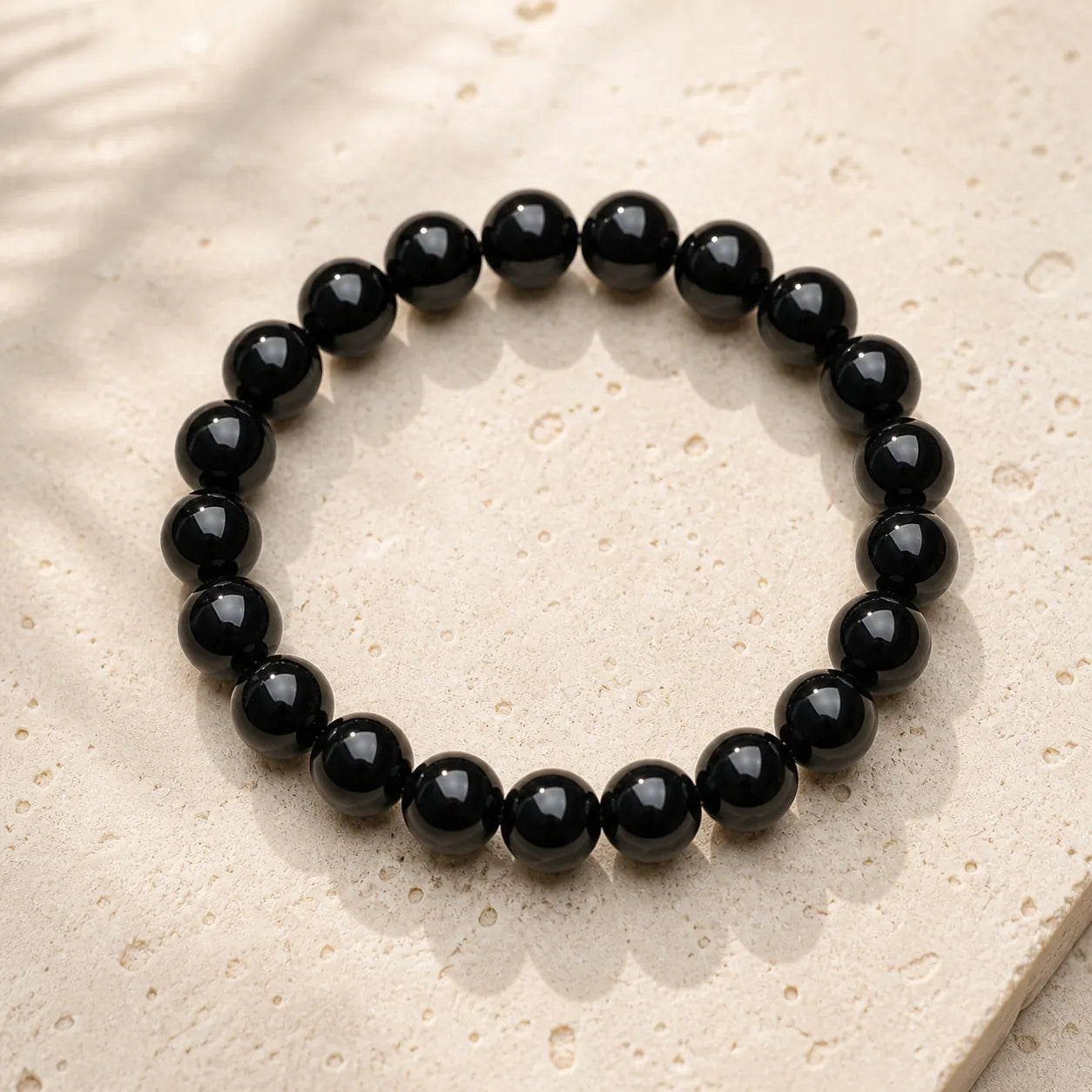
Obsidian is abundant and affordable, which is good news for beginners, but it is also easy to confuse with man-made black glass. Genuine obsidian usually has a slightly uneven, glassy surface, may contain small natural inclusions such as cristobalite patterns, and feels dense for its size. Man-made glass tends to be perfectly uniform, sometimes lighter, and shows none of the natural variation. Buy from sellers who name the type and origin of the stone, show real photographs, and describe the finish honestly. If you would like to begin with something wearable, our Black Obsidian Bracelet – Reflective Protection is a simple way to keep a piece close throughout the day.
Frequently Asked Questions
Is obsidian a crystal?
Not in the geological sense. Obsidian is a volcanic glass, sometimes called a mineraloid, because it cooled too quickly to form a crystalline structure. In the crystal and metaphysical community, it is still commonly grouped with crystals and healing stones.
Which obsidian is best for beginners?
Black obsidian is the most straightforward starting point, especially for grounding and boundary work. If you are navigating a transition or a loss, snowflake obsidian or Apache tears are often gentler first choices.
Can I wear obsidian every day?
Yes, many people do. Choose a comfortable piece, keep it clean, and check that clasps and settings are secure. If a piece feels heavy or draining to you, simply set it aside for a while—how a stone feels is useful information.
Does obsidian need to be cleansed?
If cleansing is part of your practice, moonlight, sound, and smoke are all gentle options. There is no fixed schedule; many people cleanse a new piece when it arrives and then whenever it feels appropriate.
Can obsidian replace medical or mental health care?
No. Obsidian is a wellness and ritual object, not a treatment. If you are struggling with your physical or mental health, please speak with a qualified professional.
Conclusion
Obsidian is a stone of quiet honesty. Born in fire and cooled so quickly that it never had the chance to crystallize, it carries the story of its making in every smooth, glassy curve. Its benefits are equally grounded: a sense of protection, a feeling of steadiness, and an invitation to look at yourself clearly. None of that requires belief in magic—only a willingness to slow down and pay attention.
Start simply. Choose one piece that appeals to you, decide what you would like it to remind you of, and keep it somewhere you will see or touch it often. Over the coming weeks, notice whether your obsidian becomes a small cue for breathing, for boundaries, or for honesty. That, in the end, is the most reliable benefit of all.
Continue Reading
- What to Know About Obsidian Crystal Meaning
- The Grounding Energy of Black Obsidian: Protection and Spiritual Support
- Grounding with Black Obsidian: A Gentle Guide to Emotional Support and Stability
Sources
- Mindat.org — Obsidian: Mineral information, data and localities
- U.S. Geological Survey — Volcanic Glass (Obsidian) specimen image
- U.S. Geological Survey Volcano Hazards Program — Obsidian glossary entry
Before You Choose: A Catalog-Verified Check
This decision guide uses the current Lumina Quartz catalog record for the featured piece. It does not rely on invented wear tests, customer quotes, or promised outcomes.
What is verified in the current listing
- Listed piece: Black Obsidian Bracelet – Reflective Protection
- Format: bracelet
- Catalog stone label: black obsidian
- Collection intention: protection
- Catalog checked: 2026-08-23
Who this option is designed for
Consider it if you want a grounded boundary ritual and prefer a bracelet format. Treat crystal symbolism as a personal mindfulness practice, not medical, financial, or guaranteed advice.
What to confirm before checkout
- Open the live listing for the current price, availability, size choices, shipping, and return terms.
- Use the listing photography as the product reference. If natural stone is specified on the live listing, tone and pattern may vary from piece to piece.
- Choose for comfort and personal meaning rather than expecting a guaranteed wellness result.
Check the current listing for Black Obsidian Bracelet – Reflective Protection
Compare another catalog option
- Black Tourmaline Bracelet – Grounded Boundaries — catalog label: black tourmaline
- Amethyst Bracelet – Quiet Focus — catalog label: amethyst
- Citrine Bracelet – Bright Momentum — catalog label: citrine