Carnelian Chakra: Best Stones and Simple Daily Rituals
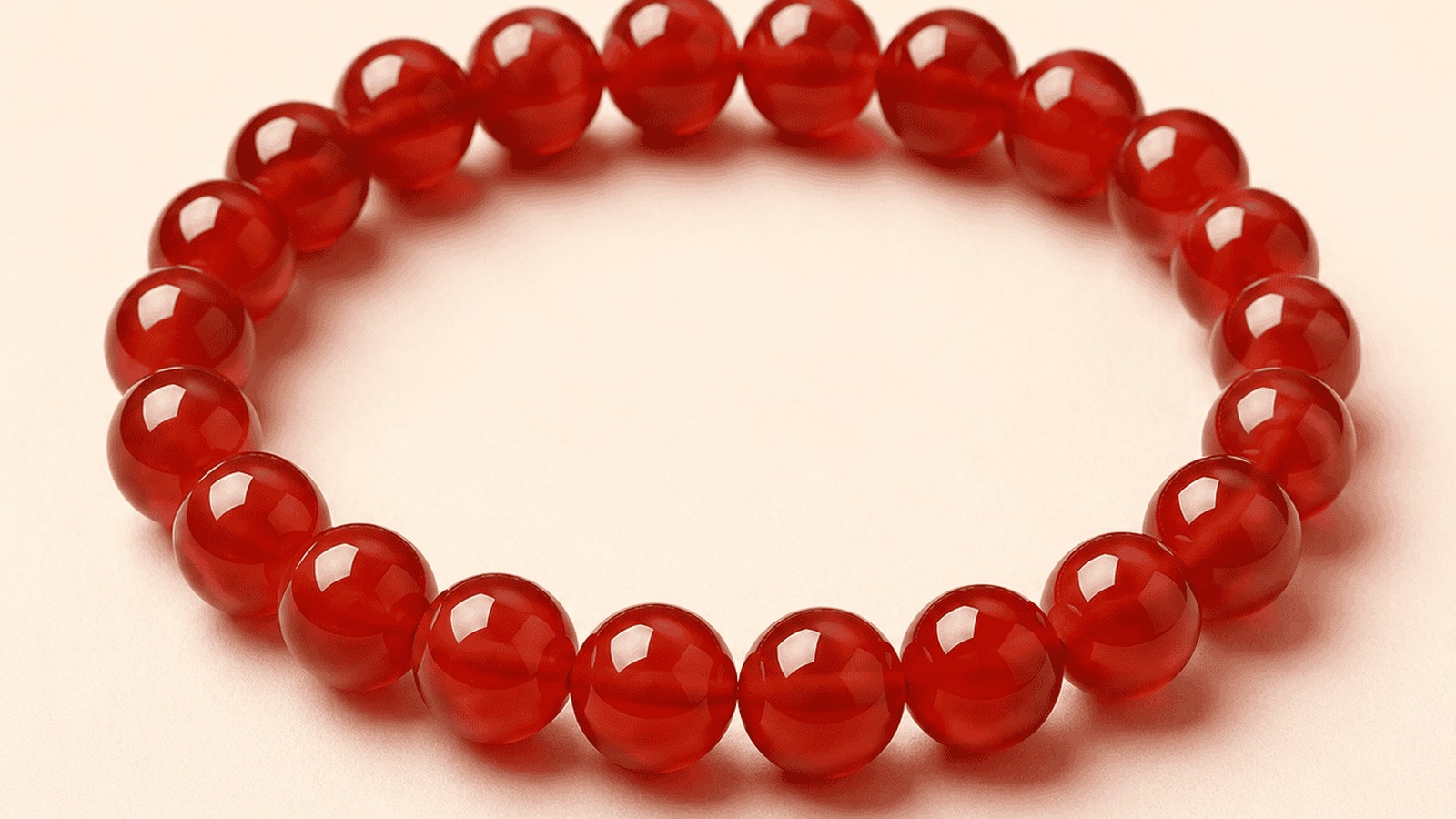
Table of Contents
- Key Takeaways
- Introduction to Carnelian and the Sacral Chakra
- What is Carnelian?
- Understanding the Sacral Chakra
- The Carnelian Chakra Connection
- Carnelian Healing Properties and Benefits
- Emotional and Creative Benefits
- Physical Benefits
- Best Stones for the Sacral Chakra (with Carnelian as the Star)
- Carnelian: The Primary Stone
- Complementary Stones for Enhanced Energy
- Simple Daily Rituals with Carnelian
- Morning Meditation Ritual
- Wearing Carnelian Jewelry
- Creating a Crystal Grid for Creativity
- Cleansing and Charging Your Carnelian
- Choosing the Right Carnelian for You
- Frequently Asked Questions About Carnelian and the Sacral Chakra
- What chakra is carnelian associated with?
- How do I use carnelian for the sacral chakra?
- What are the benefits of carnelian for the sacral chakra?
There is a quiet power in stones. They hold the memory of the earth, the warmth of ancient suns, and a stillness that our restless minds so often crave. Carnelian, with its deep apricot glow and honeyed translucence, feels less like a mineral and more like a fragment of sunset made solid. For thousands of years, people have carried it, worn it, and honored it—seeking courage, creativity, and a deeper connection to their own life force. In the energy traditions of the chakras, carnelian is often associated with the sacral chakra, the second energy center, home to our emotions, our pleasure, and our creative fire.
This guide is an invitation—not a prescription, not a promise, but a gentle exploration. Whether you are new to crystals or returning to an old friendship, we will walk together through the landscape of carnelian: what it is, how it relates to the sacral chakra, the ways it is traditionally used to support emotional and physical wellbeing, and the simple daily rituals that can bring its warm energy into your everyday life. No pressure, no noise. Just you, the stone, and the quiet space between.
Key Takeaways
- Carnelian is one of the stones most often associated with the sacral chakra, the center of creativity, emotion, and sensual expression.
- Crystals are not medical treatments; carnelian is used in traditional and holistic practices as a symbolic and ritual companion for emotional balance, creative flow, and a sense of grounded warmth.
- Pairing carnelian with complementary stones such as orange calcite, sunstone, moonstone, red jasper, and citrine may deepen the experience for some people.
- Simple daily rituals—morning meditation, wearing carnelian jewelry, creating crystal grids, and regular cleansing—can help you build a meaningful practice.
- Choosing the right carnelian is a matter of intuition as much as appearance; trust what draws you in.
Introduction to Carnelian and the Sacral Chakra
What is Carnelian?
Carnelian is a translucent variety of chalcedony, a member of the quartz family, celebrated for its warm spectrum of colors—from pale apricot and soft peach to deep reddish-orange and even earthy rust. Some pieces are uniform in tone; others carry delicate bands or cloudy swirls that make each stone entirely unique. Its name is thought to come from the Latin word cornum, meaning the cornel cherry, a fruit whose vivid red-orange hue mirrors the stone’s most beloved shades.
Human beings have been drawn to carnelian for millennia. In ancient Egypt, it was carved into protective amulets and worn by priests and royalty; in Rome, it was set into seal rings that marked important documents. Across many cultures, carnelian has been regarded as a stone of action, courage, and vitality—a talisman for those preparing to speak, to create, or to begin something new. To hold a piece of carnelian is to hold a fragment of that long and living history, warm and quietly alive in your palm.
Understanding the Sacral Chakra
In the yogic and tantric traditions, the chakras are understood as the body’s main energy centers, running along the spine from its base to the crown. The sacral chakra—known in Sanskrit as Svadhisthana—is the second of these centers. It rests in the lower abdomen, roughly two finger-widths below the navel, and is strongly linked with the element of water. Like a river, it is meant to flow.
Traditionally, the sacral chakra is associated with pleasure, emotional expression, intimacy, and creativity. Its color is orange, and its element is water—both of which appear, almost instinctively, in the palette and feel of carnelian. When people describe the sacral chakra as “balanced,” they usually mean a felt sense of ease: the ability to feel, to want, to make, and to connect without shutting down or overflowing.
The Carnelian Chakra Connection
The phrase “carnelian chakra” is used in crystal traditions to describe the pairing of this warm orange stone with the sacral chakra. The logic is largely symbolic and aesthetic: color correspondence (orange to orange), elemental resonance (carnelian’s warmth evokes fire and water’s flow), and centuries of cultural association with vitality and creative action. In practice, many people work with carnelian as a visual and tactile anchor—a reminder, held in the hand or worn near the body, to pause, breathe, and reconnect with what they want to create or feel.
This is a ritual and mindfulness framework, not a physiological one. Carnelian does not “open,” “unblock,” or “repair” any bodily system, and no crystal should be relied upon to change your health or emotions on its own. What it can offer is meaning: a small, beautiful object that helps you return, again and again, to the intentions you choose for yourself. That kind of reminder is quietly powerful—not because the stone does the work, but because you do.
Carnelian Healing Properties and Benefits
Emotional and Creative Benefits
In the gentle world of crystal healing, carnelian is often described as the stone of the artist and the adventurer. Its vibrant orange color is traditionally linked with the sacral chakra and with qualities such as courage, optimism, and creative drive. Many people find that keeping carnelian nearby serves as a grounding reminder when they want to begin a new project, share a piece of writing, or follow an impulse that feels true. It is a stone that nudges rather than pushes—a gentle visual cue to move from idea into action without crushing the delicate seed of inspiration.
Emotionally, carnelian is often associated with warmth and steady presence. Some people find that simply keeping it nearby helps them feel more grounded during stressful moments, as if the stone’s steady glow reminds them of their own inner fire. Others use it as a symbolic anchor for self-esteem—a tangible object to hold when they want to feel a little more settled before speaking up or being seen. These are personal, ritual-based experiences rather than clinical effects, and they tend to be most meaningful when paired with real self-care, supportive relationships, and professional guidance when needed.
Physical Benefits
It is important to say, plainly and honestly: crystals are not medicine. Carnelian will not diagnose, treat, or cure any illness, and it should never replace professional care. That said, within traditional and holistic frameworks, carnelian has long been associated with the symbolic vitality of the lower abdomen—warmth, movement, and a sense of aliveness.
Some practitioners pair carnelian with gentle yoga or breathwork focused on the pelvic region, purely as a way of honoring the body’s energy flow and bringing attention to an area many of us ignore. These practices may support a general sense of relaxation and wellbeing, and for many people, the ritual of placing a warm stone on the belly during quiet time feels deeply comforting. These are traditional associations and supportive rituals, not guarantees—and they are most powerful when combined with genuine self-care, good nutrition, rest, and appropriate medical attention.
What Carnelian Is—and Isn’t—Traditionally Used For
A quick boundary guide for building a grounded, honest practice:
- Tradition and ritual: color and chakra associations, meditation focus, altar or grid work, mindful intention-setting.
- Personal meaning: a visual reminder of courage, creativity, or self-expression; a tactile object for grounding during quiet moments.
- Enjoyment and aesthetics: jewelry, home décor, collecting, and the simple pleasure of holding something beautiful.
- Not a medical treatment: carnelian does not diagnose, treat, cure, or prevent any condition, including emotional or neurological ones.
- Not a substitute for care: if you are experiencing persistent stress, low mood, pain, or any health concern, speak with a qualified professional.
- Not a guarantee: no stone can promise courage, creativity, love, or success—those come from your choices and support systems.
Used within these boundaries, carnelian is a lovely companion. Used as a replacement for care, it is not.
Best Stones for the Sacral Chakra (with Carnelian as the Star)
Many stones are traditionally linked with the sacral chakra, often grouped by their orange, peach, or warm-toned hues. Carnelian remains the most beloved of these, but it shines even brighter alongside a few companions. Think of it as a small ensemble: carnelian leads, and the others add their own notes.
Carnelian: The Primary Stone
Carnelian’s warm orange and deep reddish tones make it the natural centerpiece for sacral-chakra work. It is widely available, comfortable to wear, and easy to work with in simple rituals. If you are building a practice around creativity or emotional expression, a single piece of carnelian is often enough to begin.
Complementary Stones for Enhanced Energy
- Orange calcite: a soft, luminous orange stone often chosen for its gentle, cheerful presence alongside carnelian.
- Sunstone: a warm, sparkling stone traditionally associated with confidence and vitality.
- Moonstone: a cool, luminous contrast to carnelian’s warmth, often used in practices around emotional balance.
- Red jasper: an earthy, grounding stone that pairs well with carnelian’s brighter energy.
- Citrine: a sunny yellow stone traditionally linked with optimism and creative momentum.
Pairing is a matter of personal preference. Let color and feel guide you more than any rule.
Simple Daily Rituals with Carnelian
Morning Meditation Ritual
Find a quiet seat and hold your carnelian in your palm or rest it on your lower abdomen. Breathe slowly and evenly for a few minutes. You might silently name one thing you want to create, express, or feel today—just one. When you are finished, place the stone somewhere you will see it again during the day. The ritual is short on purpose; consistency matters more than duration.
Wearing Carnelian Jewelry
Wearing carnelian is one of the simplest ways to keep its warmth close. A bracelet or pendant acts as a quiet reminder—each time you notice it, you return briefly to your intention. This is the idea behind a piece like our Carnelian Bracelet – Creative Courage, designed as an everyday companion rather than a talisman of guarantees. Choose a piece that feels comfortable and pleasing to you; the stone’s meaning grows through your own attention.
Creating a Crystal Grid for Creativity
A crystal grid is simply an arrangement of stones placed with intention. For a sacral-chakra grid, you might place carnelian at the center and arrange a few complementary stones—orange calcite, sunstone, citrine—in a simple circle around it. Set the grid on a cloth or tray, spend a few moments in quiet focus, and leave it where you can see it. Refresh the arrangement, and your intention, whenever it feels right.
Cleansing and Charging Your Carnelian
In crystal traditions, cleansing is a way of “resetting” a stone’s energy between uses. Gentle methods are best: a brief rinse in lukewarm water, a soft dry cloth, or resting the stone in moonlight overnight. Avoid harsh chemicals, prolonged sunlight, and extreme temperature changes, which can dull carnelian’s color over time. Charging is often done by placing the stone on a windowsill during soft morning light or holding it while setting an intention. Treat these steps as quiet, restorative moments—for the stone and for you.
Choosing the Right Carnelian for You
There is no single “correct” carnelian. Some people are drawn to pale, honeyed pieces; others prefer deep red-orange with visible banding. When you choose, hold a few stones if you can. Notice which color draws your eye, which weight feels comfortable in your hand, and whether any piece feels quietly right. Let intuition have a seat at the table alongside appearance and price.
If you are buying online, look for clear, natural-looking photographs and honest descriptions of color and size. A reputable seller will not promise outcomes or claim that a stone will change your health or life. What you are choosing is a companion for your practice—something you will enjoy seeing, holding, and returning to.
Frequently Asked Questions About Carnelian and the Sacral Chakra
What chakra is carnelian associated with?
Carnelian is most often associated with the sacral chakra, the second energy center in chakra traditions, traditionally located in the lower abdomen. Its warm orange color is the primary reason for this pairing. Some practitioners also connect it with the root chakra, given its grounding, earthy tones.
How do I use carnelian for the sacral chakra?
Common approaches include holding or wearing carnelian during meditation, resting it on the lower abdomen during quiet breathing, wearing it as jewelry, or placing it at the center of a simple crystal grid. There is no single correct method—choose the ritual you will actually repeat, and treat it as a gentle mindfulness practice rather than a treatment.
What are the benefits of carnelian for the sacral chakra?
In crystal traditions, carnelian is valued as a symbolic companion for courage, creative expression, warmth, and emotional grounding. These are personal and ritual-based experiences, not medical effects. Carnelian does not treat, cure, or prevent any health condition, and it should never replace professional care.
Keep Exploring
If you would like to continue learning about chakras and the stones traditionally paired with them, these guides may be a lovely next step:
- Chakra Crystals Guide: Meanings, Colors, and Gentle Rituals
- The Best Crystals for Each Chakra: A Complete Guide to Chakra Bracelets
- Heart Chakra Crystals for Self-Love, Balance, and Emotional Ease
- How To Unblock Chakras: Best Stones and Simple Daily Rituals
- Chakras Colores: Best Stones and Simple Daily Rituals
- Chakras Significado: Best Stones and Simple Daily Rituals
Carnelian asks very little of you: a moment of attention, a breath, a hand on a warm stone. In return, it offers a quiet place to begin—again and again.
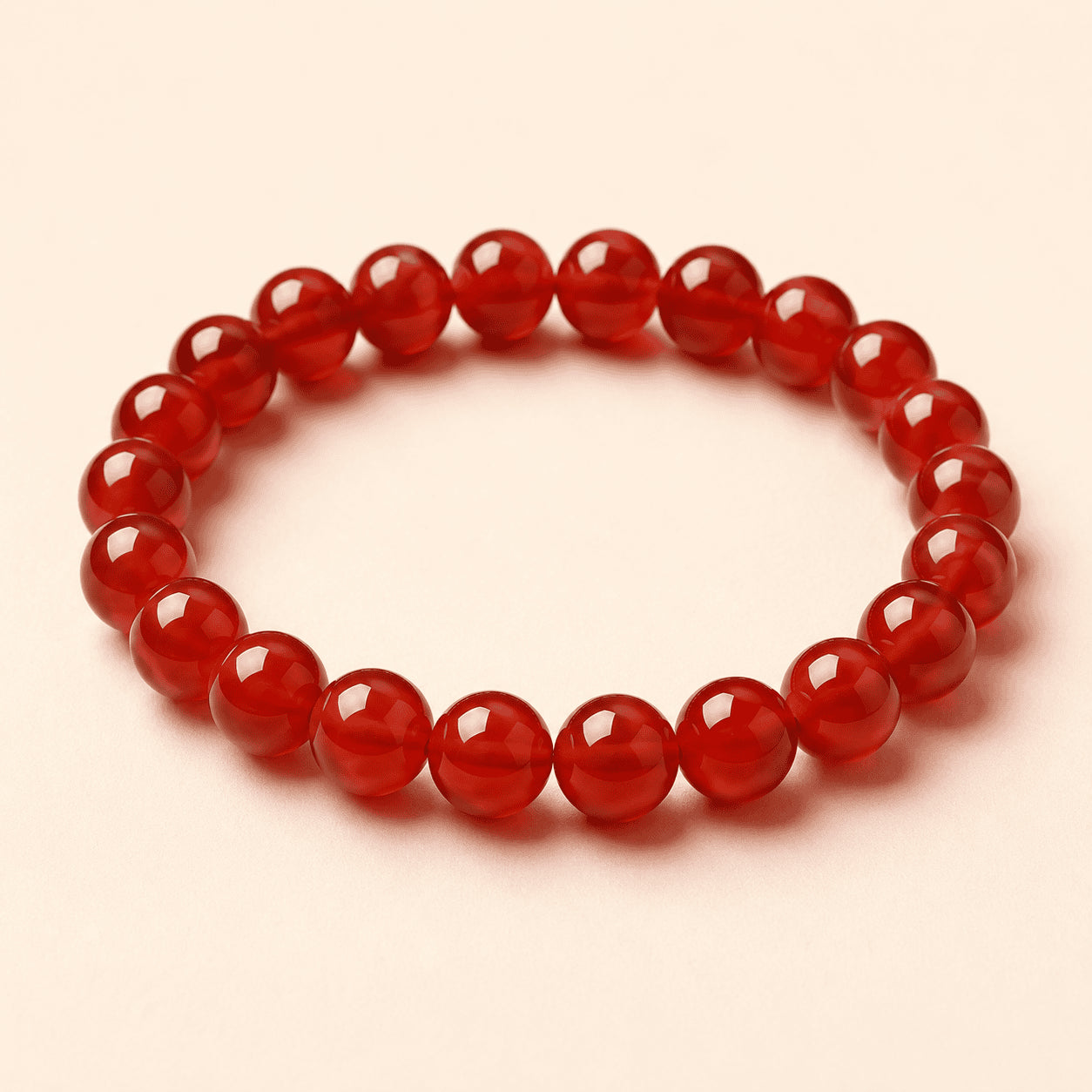
Carnelian Bracelet
A gentle ritual piece for bringing this intention into your daily routine.
Shop This Authentic Piece →